

Car Shipping Services USA | Fast Auto Transport Quotes Online
Door-to-door vehicle shipping with licensed and insured carrier options

Trusted by customers shipping vehicles nationwide
✔ Licensed & insured carriers • ✔ No hidden fees • ✔ Fast scheduling available • ✔ Door-to-door service


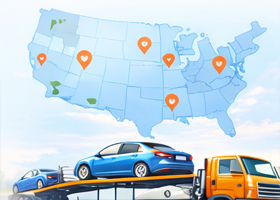



Nationwide Auto Transport
Car Shipping Services Built Around Fast Quotes, Clear Options, and Real Support
Transport My Automobile helps customers request fast auto transport quotes and compare practical vehicle shipping options across the United States. Whether you are moving, buying a car online, sending a vehicle to family, relocating for work, or planning a seasonal move, the goal is simple: make car shipping easier to understand and easier to book.
Our process is designed to collect the route details that matter: pickup city or ZIP code, delivery location, vehicle type, timing, and preferred transport method. From there, customers can compare available options for door-to-door car shipping, open carrier transport, enclosed auto transport, and long-distance vehicle shipping.
How Auto Transport Works
How Car Shipping Works
Car shipping is the process of moving a vehicle with a licensed auto transport carrier instead of driving it yourself. For most customers, the best experience starts with a clear quote request and ends with a scheduled pickup and delivery.
Request Your Quote
Enter pickup, delivery, vehicle, and timing details so your route can be reviewed correctly.
Compare Options
Review open carrier, enclosed transport, flexible pickup, and expedited service options.
Confirm Pickup
Once details are confirmed, your vehicle is scheduled with an available carrier option for your route.
Vehicle Delivery
The vehicle is delivered to the destination or a nearby accessible location when door-to-door access is limited.
Car Shipping Cost Estimates
How Much Does Car Shipping Cost?
Car shipping costs are based on distance, pickup and delivery locations, vehicle size, transport type, seasonality, fuel costs, and live carrier availability. A short regional shipment usually costs less than a cross-country auto transport route, while enclosed transport usually costs more than open carrier service.
| Shipping Type | Best For | Typical Pricing Factor |
|---|---|---|
| Short-distance car shipping | Regional or same-state moves | Lower mileage, easier scheduling |
| State-to-state auto transport | Relocations, online purchases, family moves | Distance, route demand, vehicle size |
| Cross-country car shipping | Long-distance moves across multiple states | Carrier capacity, timing, route access |
| Enclosed auto transport | Luxury, exotic, classic, or collector vehicles | Premium protection and limited carrier space |
For the most accurate estimate, use exact pickup and delivery ZIP codes, accurate vehicle details, and a realistic pickup window. Review our Car Shipping Cost Guide and Car Shipping Calculator.
Transport Options
Auto Transport Services and Shipping Options
Different vehicles and routes require different transport options. A daily driver may be a good fit for open carrier transport, while a luxury, classic, exotic, or high-value vehicle may need the added protection of enclosed auto transport.
Open vs Enclosed Car Shipping
Compare cost, protection, and availability before choosing your transport type.
Enclosed Auto Transport
Extra protection for luxury, exotic, collector, classic, or high-value vehicles.
Door-to-Door Auto Transport
Convenient pickup and delivery when truck access is safe and available.
Interstate Vehicle Transport
Helpful guidance for state-to-state and long-distance vehicle shipping.
Route Guides and Helpful Resources
Popular Car Shipping Routes, Cost Guides & Quote Resources
Explore high-intent route pages and helpful auto transport resources. These pages support common searches for car shipping cost, auto transport quotes online, door-to-door service, and state-to-state vehicle shipping.
Popular Car Shipping Routes
More Route Cost Guides
Why Choose Us
Why Choose Transport My Automobile?
Licensed and Insured Carrier Options
Work with transport options built around vehicle protection, professional handling, and clear communication.
No Hidden Fees Approach
Understand what affects your quote before booking, including route, timing, vehicle size, and transport type.
Door-to-Door Convenience
When truck access is safe and legal, door-to-door service helps reduce unnecessary driving and logistics.
Customer-Friendly Support
Our process is built for people who want answers, quote clarity, and help choosing the right shipping option.
Car Shipping FAQs
Frequently Asked Questions About Car Shipping
How much does it cost to ship a car?
Car shipping cost depends on distance, route demand, vehicle type, transport method, pickup timing, and carrier availability. Open carrier is usually more affordable, while enclosed auto transport usually costs more.
How long does auto transport take?
Transit time depends on route distance and carrier scheduling. Short routes may take a few days, while cross-country car shipping can take a week or more after pickup.
Is open carrier transport safe?
Yes. Open carrier transport is the most common option for standard vehicles. Enclosed transport is recommended for luxury, classic, exotic, collector, or high-value vehicles.
Do you offer door-to-door car shipping?
Door-to-door auto transport is available when pickup and delivery locations are safely accessible for a large carrier truck. If access is limited, a nearby safe meeting point may be arranged.
Can I get a quote without committing?
Yes. A quote request helps compare available options before booking. It gives you a clearer idea of pricing, timing, and transport type for your route.
How It Works
From quote request to booking, the process is quick, clear, and easy to follow.
Tell Us About Your Shipment
Provide a few details to get started.
Compare Your Options
See available carriers,
pricing, and timing.
Book Your Transport
Choose your option and schedule your shipment.
Popular car shipping routes and pricing
Explore high-interest routes and pricing pages while keeping the funnel focused on quotes.
Frequently Asked Questions
Get quick answers before requesting your quote.
How much does car shipping cost?
Pricing depends on distance, route, vehicle type, and timing.
👉 Request your quote to see the best available rate for your shipment today.
How fast can my vehicle be scheduled?
Many shipments can be scheduled within 24–48 hours, depending on route availability.
👉 Request your quote to see the best available rate for your shipment today.
Is my vehicle insured during transport?
Yes — all shipments are handled by insured carriers for your protection
👉 Giving you peace of mind from pickup to delivery.
Nationwide auto transport made simple
Transport My Automobile helps drivers, families, dealerships, military members, and seasonal movers compare reliable options for shipping a vehicle anywhere in the United States. Whether you need open transport, enclosed transport, or door-to-door car shipping, the goal is simple: make pricing easier to understand and help you get matched faster.
Request a quote to compare current availability, review timing options, and find the best fit for your route. If you are still researching, explore our popular route pages and pricing resources to better understand transit times, carrier availability, and what affects car shipping cost.
Get a fast, accurate quote in minutes.
Compare reliable carriers, review your best options, and book with confidence.
Fast Quotes • Competitive Rates • Door-to-Door Service
Have questions before booking?
Request a quick call with one of our shipping specialists — no pressure, no obligation.
