

How Much Does It Really Cost to Ship a Car in 2026?
By The AutoTransport Guy
Car shipping prices can vary a lot from one quote to another. Before you book, it helps to understand what actually affects the cost of transporting your vehicle.
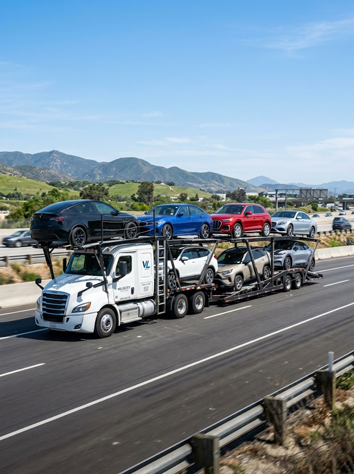
One of the most common questions people ask before hiring an auto transport company is simple: How much does it cost to ship a car?
The honest answer is that there is no single flat price for every shipment. Car shipping prices depend on distance, route popularity, vehicle size, trailer type, fuel costs, pickup flexibility, seasonality, and current carrier availability.
This guide explains the most important factors that influence auto transport pricing in 2026 so you can better understand your quote and avoid unrealistic low-ball offers.
1. Distance Is One of the Biggest Pricing Factors
In general, longer shipments cost more in total because they require more fuel, driver time, equipment usage, and route planning.
However, the price per mile is not always the same. A short shipment may have a higher cost per mile because the carrier still has loading, scheduling, dispatching, and route expenses. A longer route may cost more overall but sometimes less per mile.
2. Popular Routes Can Be More Affordable
Routes with strong carrier traffic are often easier to price because trucks are already moving through those lanes. For example, routes between major metro areas are usually easier to arrange than rural pickup or delivery locations.
If your vehicle is located far from a major highway or city, the price may increase because the carrier has to spend extra time and fuel reaching the pickup or delivery location.
3. Open Transport Is Usually the Most Affordable Option
Open auto transport is the most common method for shipping everyday vehicles. Your car is transported on an open carrier, similar to the trucks you often see delivering cars to dealerships.
Because open carriers can usually transport more vehicles at once, this option is generally more affordable than enclosed shipping.
4. Enclosed Transport Costs More but Offers More Protection
Enclosed transport is usually recommended for luxury vehicles, exotic cars, classic cars, collector vehicles, or high-value automobiles that need added protection from road debris and weather exposure.
This option normally costs more because enclosed trailers carry fewer vehicles and use more specialized equipment.
5. Vehicle Size and Weight MatterA compact sedan usually costs less to ship than a large SUV, pickup truck, van, or oversized vehicle. Bigger vehicles take up more space on the trailer and may affect how many cars the carrier can safely load. If your vehicle is lifted, modified, very heavy, or non-standard in size, the quote may need to be adjusted. 6. Seasonality Can Change the PriceAuto transport prices can rise during busy seasons when more people are relocating, buying vehicles, moving for school, or traveling between seasonal homes. Summer, holidays, and snowbird season can create higher demand on certain routes. When demand increases and carrier availability becomes tighter, prices may go up. |
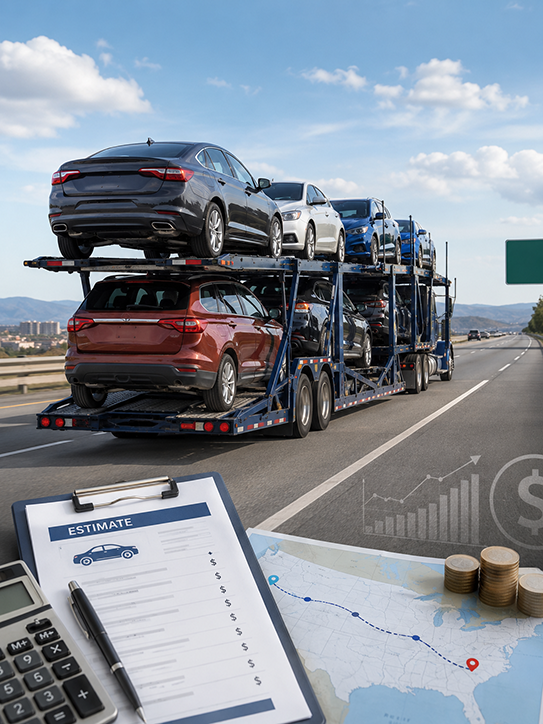
Open transport is usually the most affordable option, while enclosed transport offers extra protection for high-value vehicles. |
7. Flexible Pickup Dates Can Help
If you need your vehicle picked up immediately, the cost may be higher because dispatchers have less time to find the right carrier at the right price.
Being flexible with your pickup window gives the transport company more options, which can sometimes help secure better carrier availability.
8. Running Vehicles Are Easier to Ship Than Non-Running Vehicles
If your vehicle starts, drives, steers, and brakes, it is easier for the carrier to load and unload.
Non-running vehicles may require a winch or special equipment. This can increase the price because not every carrier is equipped to handle inoperable vehicles.
9. The Cheapest Quote Is Not Always the Best Deal
A very low quote may look attractive, but it can sometimes lead to delays, price changes, or difficulty finding a carrier willing to accept the shipment.
A reliable auto transport company should explain why your quote is priced the way it is and what is included before you book.
10. A Good Quote Should Be Transparent
Before booking, ask what is included in the price, what payment is required, whether insurance is included, what the estimated pickup window is, and what happens if a carrier is delayed.
Professional communication is one of the strongest signs that you are dealing with a serious company.
Quick Checklist Before You Accept a Car Shipping Quote
- Ask if the quote is for open or enclosed transport.
- Confirm whether the vehicle must be running.
- Check if pickup and delivery are door-to-door or terminal-based.
- Ask about insurance coverage and limitations.
- Confirm estimated pickup and delivery windows.
- Verify the company’s USDOT or MC information when applicable.
- Be careful with quotes that seem unrealistically low.
Final Thoughts
The cost to ship a car in 2026 depends on more than just mileage. Your final price is influenced by route, timing, vehicle type, trailer type, carrier availability, and how flexible your pickup window is.
The best approach is to work with a company that explains the process clearly, provides realistic pricing, and helps you understand your options before you make a decision.
Need a Realistic Car Shipping Quote?
Get a clear auto transport quote based on your route, vehicle type, timing, and shipping preferences.
Request a Free Quote