

Moving Across the Country? Don’t Let Your Car Become the Hardest Part
By The AutoTransport Guy
The boxes are packed, the new address is real, the GPS is judging you, and your car still needs to get there. Here’s why shipping your vehicle may be the smartest part of your big move.

Moving across the country sounds exciting in theory.
A new city. A new home. A new job. A fresh start. Maybe a better climate, a bigger house, a shorter commute, a new school, or a long-awaited change of scenery.
It all sounds wonderful.
Until the packing begins.
Suddenly, the romantic idea of “starting a new chapter” turns into cardboard boxes, lost tape rolls, bubble wrap, donation piles, mystery cables, and at least one drawer full of things nobody remembers buying.
Then comes the big question:
“What are we doing with the car?”
Because moving yourself is one thing. Moving your furniture is another. But moving your vehicle across hundreds or thousands of miles can quickly become one of the most stressful parts of the entire relocation.
Some people immediately think, “I’ll just drive it.”
And sometimes that makes sense.
But sometimes, that “simple drive” becomes three days of gas stations, hotel rooms, fast food, road fatigue, weather surprises, traffic, unexpected costs, and the quiet realization that your relaxing road trip has become a second job with a steering wheel.
That is where professional car shipping can make a lot of sense.
When life is already changing, your vehicle does not have to become the hardest part of the move.
1. The Road Trip Fantasy vs. The Moving Reality
There is a big difference between a road trip you choose and a road trip you are forced to take.
A chosen road trip sounds fun.
Open highway. Music playlist. Scenic views. Maybe a few roadside diners. Maybe a national park or two. Maybe a photo next to a giant fiberglass dinosaur in the middle of nowhere.
A forced moving drive feels different.
You are not casually exploring America. You are trying to get from one life to the next with your nerves intact.
The car may be packed tighter than a suitcase before a family vacation. The dog may be confused. The kids may be asking how much longer before you have even left the neighborhood. Your back may already hurt. Your coffee may already be cold.
And the GPS says:
“Continue for 947 miles.”
That is not a vacation.
That is a commitment.
Moving is already a major life event. It takes time, energy, money, planning, patience, paperwork, and emotional bandwidth. Adding a long-distance drive on top of everything can turn an already stressful process into a marathon.
For some people, shipping the car and flying to the new location is not a luxury. It is simply the smarter, calmer, more practical decision.
2. The Hidden Costs of Driving Your Car Across the Country
Driving may look cheaper at first.
After all, the car is already yours. The road is already there. Gas stations exist. You have snacks. What could go wrong?
Plenty.
The real cost of driving a vehicle across the country is not just gasoline. It is everything that comes with the trip.
- Fuel
- Hotel stays
- Meals
- Tolls
- Parking
- Oil changes
- Tire wear
- Extra mileage
- Weather delays
- Time off work
- Physical fatigue
- Possible mechanical problems
A long drive can easily add 1,000, 1,500, 2,000, or even 3,000 miles to your vehicle. That mileage matters. It affects maintenance schedules, resale value, tires, brakes, and general wear and tear.
And then there is the human cost.
Long hours behind the wheel are exhausting. Driving through unfamiliar cities can be stressful. Bad weather can slow everything down. Road construction can test anyone’s patience. A breakdown in your own city is inconvenient. A breakdown several states away, while moving, is a completely different level of frustration.
Nobody wants to be standing outside a repair shop in a strange town thinking:
“Maybe I should have shipped the car.”
3. When Shipping Your Car Makes More SenseCar shipping is not only for luxury vehicles or collectors. It is also for regular people making practical decisions during a major move. Shipping your vehicle may make sense if you are moving a long distance, flying to your new home, relocating for work, moving with children, helping an older family member relocate, sending a student to college, buying a car out of state, moving more than one vehicle, or simply trying to reduce stress. It can also be helpful if your vehicle is new, leased, classic, expensive, low-mileage, or not comfortable for long-distance driving. Some cars are perfect for daily errands but not ideal for a multi-day highway trip. Some drivers are comfortable around town but do not want to spend days crossing states. Some families simply have too much going on to add one more complicated task. And honestly, sometimes the smartest move is to remove one problem from the list. You already have enough to manage. Let the moving truck handle the furniture. Let the airline handle the people. Let the auto transport carrier handle the car. |
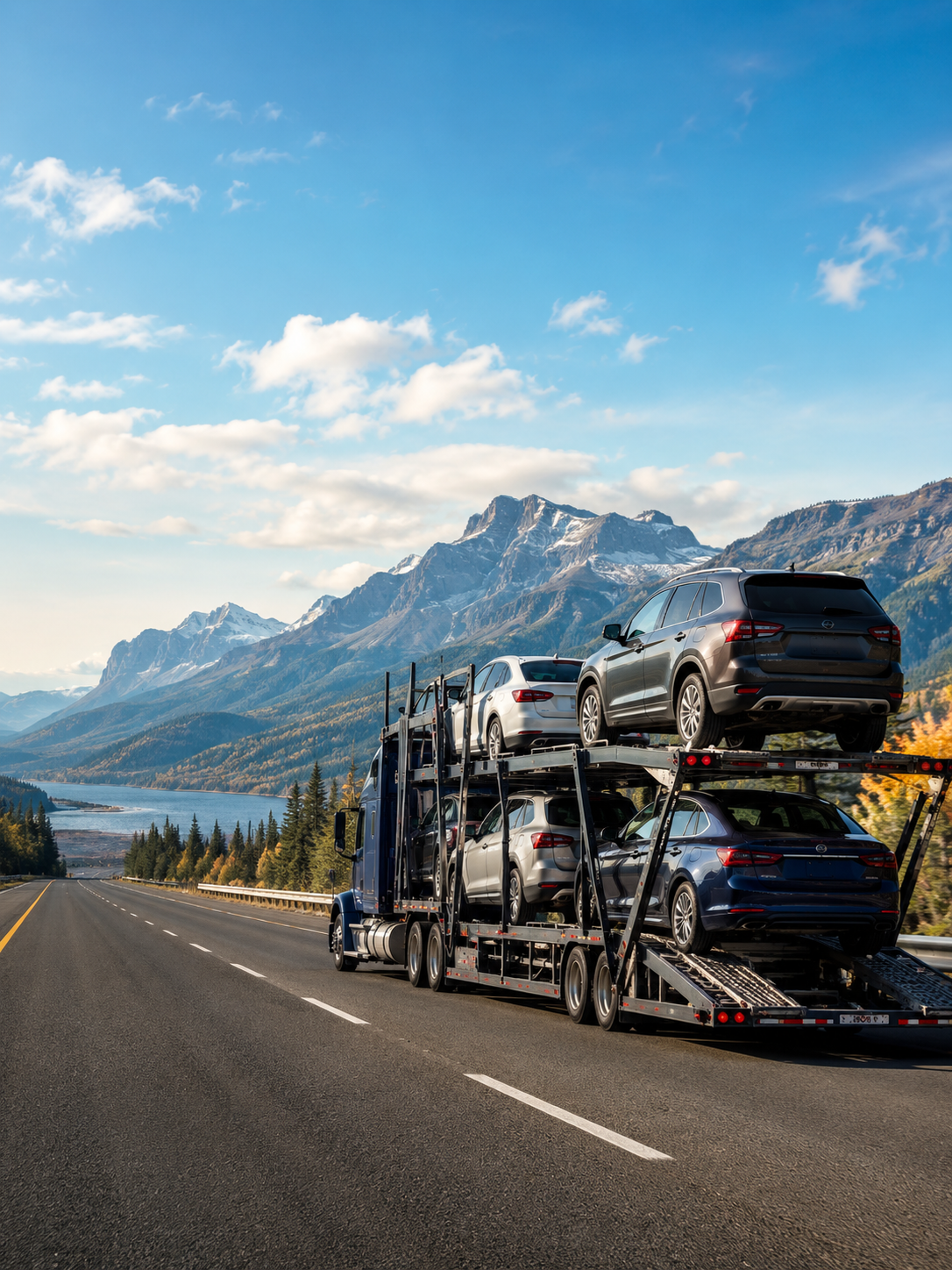
Professional auto transport can help reduce stress, mileage, and road fatigue during a long-distance move. |
4. Moving Is Emotional, Not Just Logistical
People often talk about moving like it is only a checklist.
Change address. Pack boxes. Hire movers. Transfer utilities. Update insurance. Find new doctors. Register kids for school. Schedule internet. Cancel old services. Book travel. Ship the car.
But moving is not just logistics.
Moving can be emotional.
You may be leaving a home where your children grew up. You may be starting over after a difficult season. You may be relocating for a better job. You may be moving closer to family. You may be helping your parents downsize. You may be heading to a warmer state after years of cold winters. You may be taking a leap into a completely new life.
That is why reducing stress matters.
A vehicle is not just an object. For many people, it represents independence, routine, work, family, errands, appointments, school drop-offs, weekend plans, and daily life.
When you arrive in your new city, having your own vehicle available can help you feel grounded faster.
The house may still be full of boxes. The kitchen may still be a mystery. You may not know where the good grocery store is yet.
But when your car arrives, something feels familiar.
You can run errands. You can explore. You can start building your new routine.
That matters.
5. The “I’ll Just Drive It” Conversation
Every family has some version of this conversation.
One person says:
“I can drive it. No problem.”
The other person says:
“You also said assembling the bookshelf would take twenty minutes.”
And now everyone is remembering the bookshelf.
Driving across the country is one of those ideas that can seem easy before you calculate the details.
- How many days will it take?
- Who is driving?
- What happens if someone gets tired?
- Where will you stay?
- What if the weather turns bad?
- What if the car has a problem?
- What if the kids get restless?
- What if the dog refuses to cooperate?
- What if your new job starts Monday and the drive takes longer than planned?
A long-distance drive can be done.
But the better question is:
Does it need to be done by you?
Professional auto transport exists because many people would rather avoid unnecessary mileage, reduce road fatigue, and simplify the move.
That is not laziness.
That is planning.
6. Open vs. Enclosed Car Shipping
One of the first choices people usually make is whether to use open or enclosed transport.
Open transport is the most common option. Vehicles are loaded onto an open carrier, similar to the trucks you often see delivering cars to dealerships. It is usually more affordable and works well for many standard vehicles.
Enclosed transport provides extra protection because the vehicle travels inside a covered trailer. This option is often chosen for classic cars, luxury vehicles, exotic cars, high-value vehicles, or cars that need additional protection from weather and road debris.
For most everyday vehicles, open transport is usually the practical and economical choice. For special vehicles, enclosed transport may be worth considering.
The right choice depends on the car, the distance, the route, the budget, and the level of protection you want.
7. Door-to-Door Does Not Always Mean “Inside Your Living Room”
Most people like the idea of door-to-door auto transport, and for good reason. It sounds simple: the vehicle is picked up near your current address and delivered near your new one.
But it is important to understand what “door-to-door” usually means in real life.
Auto transport trucks are large. Very large. They may not be able to enter narrow streets, gated communities, low-clearance areas, tight apartment complexes, steep driveways, or roads with limited access.
In those cases, the carrier may coordinate a nearby safe meeting location, such as a large parking lot, wide street, shopping center, or accessible area.
That is normal.
The goal is not to make things difficult. The goal is to load and unload the vehicle safely.
A good transport coordinator will help explain this clearly so there are no surprises.
8. How to Prepare Your Car Before ShippingPreparing your car for transport does not have to be complicated. Start by cleaning the vehicle enough so the pickup inspection is easy. The car does not need to look like it is entering a showroom, but dirt and clutter can make it harder to document the condition. Remove personal items. Auto transport carriers are not household moving companies, and personal belongings are generally not covered by carrier insurance. It is also better to avoid adding extra weight to the vehicle. Keep the gas tank around one-quarter full. The carrier needs enough fuel to load and unload the car, but a full tank adds unnecessary weight. Take photos before pickup. Clear photos of the exterior can help document the vehicle’s condition. Check for leaks, tire issues, battery problems, or anything the driver should know. If the vehicle does not run, say so in advance. Non-running vehicles may require special equipment. Have keys ready. The carrier will need them to load and unload the vehicle. Review the Bill of Lading at pickup and delivery. This document records the condition of the vehicle and is an important part of the process. The preparation is simple, but it matters. A little planning before pickup can prevent a lot of confusion later. |

A smoother move starts with simple planning, clear communication, and fewer unnecessary road miles. |
9. Timing Matters More Than People Think
One of the biggest misunderstandings in auto transport is timing.
Many customers naturally want exact dates. That is understandable. Moving schedules are tight. Flights are booked. Keys are exchanged. Jobs start. Families need plans.
But auto transport usually works with pickup and delivery windows, not perfect minute-by-minute guarantees.
Carriers deal with weather, traffic, mechanical delays, route changes, customer schedules, loading times, and federal driving regulations. A professional company should be clear about timing expectations from the beginning.
The best thing a customer can do is plan early and stay flexible when possible.
Last-minute shipping can still happen, but it may limit available carrier options and create more pressure. Booking earlier gives the transport team more room to coordinate a better route, schedule, and carrier match.
In other words:
Your car may be patient. The calendar is not.
10. Why the Cheapest Quote Is Not Always the Best Quote
Everyone wants a fair price.
That is completely reasonable.
But choosing an auto transport company based only on the lowest quote can be risky.
A very low price may look attractive at first, but sometimes it can lead to delays, carrier issues, changing prices, poor communication, or unrealistic expectations.
The best quote is not always the cheapest quote. It is the quote that is realistic, clearly explained, properly coordinated, and backed by a company willing to communicate with you.
A professional car shipping quote should take into account distance, route, vehicle type, pickup and delivery locations, transport type, timing, fuel costs, market demand, and carrier availability.
If a price sounds far lower than every other quote, it is worth asking why.
Saving money is good.
Saving money and then losing time, peace of mind, and flexibility is not really saving.
The Real Cost of Driving Across the Country
- Gasoline may be only the beginning.
- Hotels and meals can add up quickly.
- Extra mileage affects wear, maintenance, and resale value.
- Bad weather can turn a simple route into a stressful trip.
- Road fatigue is real, especially during a move.
- A mechanical issue far from home can become expensive and complicated.
- Your time has value, especially when starting a new job or settling into a new home.
A lower-looking option is not always the lower-cost option once everything is counted.
11. Who Benefits Most From Shipping a Car During a Move?
Many different types of people benefit from auto transport during a relocation.
- Families moving across the country often prefer to fly together and avoid a multi-day drive with children, pets, luggage, and stress.
- Professionals relocating for work may need to arrive quickly and start a new job without spending days on the road.
- College students may need a car near campus but may not want to drive across multiple states alone.
- Military families may face tight timelines and complicated moves.
- Older adults may prefer to avoid long highway drives, especially in bad weather or unfamiliar areas.
- Car buyers may purchase vehicles from another state and need delivery arranged safely.
- Owners of classic, luxury, or specialty vehicles may want to avoid unnecessary mileage and road exposure.
- People who value their time may simply prefer to arrive rested and ready.
That is reason enough.
12. The Funny Truth About Moving Boxes
Every move reveals one universal truth:
People own more things than they think.
A person can live peacefully in a home for years believing they are “not really a stuff person.”
Then moving week arrives.
Suddenly there are twenty-seven boxes labeled “miscellaneous.”
There is a closet full of items nobody wants to claim. There are cables for devices that no longer exist. There is a kitchen drawer with enough batteries, rubber bands, and takeout menus to open a small museum.
And somewhere in the middle of all this, someone says:
“Should we drive the car too?”
That is when shipping starts to sound very reasonable.
Moving already asks a lot from you. It asks you to organize your past, pack your present, and prepare for your future.
You do not always need to add a thousand-mile drive to prove anything.
13. A Better Way to Arrive
Imagine this instead.
You finish packing. You hand over the car. You fly to your new city. You arrive with more energy. You check into your new home. You start unpacking. You sleep in a real bed instead of another roadside hotel. Your car is on the way, handled by professionals who move vehicles every day.
That is the real value of car shipping.
It is not just about moving a machine.
It is about protecting your time, your energy, your schedule, and your peace of mind during one of life’s busiest transitions.
A good move is not the one where you do everything yourself.
A good move is the one where the important things get done with the least unnecessary stress.
14. Common Mistakes to Avoid When Shipping a Car During a Move
One common mistake is waiting too long to book. The earlier you start, the better your chances of smoother scheduling.
Another mistake is not having complete information ready. Year, make, model, running condition, pickup address, delivery address, timing, and transport preference all help create a more accurate quote.
Some people forget to remove personal belongings from the vehicle. That can create problems because auto carriers are not household movers.
Others assume pickup and delivery dates are guaranteed without asking questions. It is better to understand realistic timing from the beginning.
Some customers focus only on the lowest price and ignore communication, reliability, and clarity.
And some forget to take photos at pickup.
These are easy mistakes to avoid, but they are worth mentioning because moving can make even organized people forget simple things.
When your brain is full of addresses, boxes, utilities, keys, movers, travel plans, pets, school records, and closing documents, even basic reminders help.
The Human-First Car Shipping Checklist
- Clean the vehicle enough for inspection.
- Remove personal items before pickup.
- Keep the gas tank around one-quarter full.
- Take photos before the vehicle is loaded.
- Check tires, battery, and visible leaks.
- Confirm pickup and delivery information.
- Make sure the vehicle can be accessed by the carrier.
- Have keys ready.
- Review the Bill of Lading.
- Keep communication open with your transport coordinator.
- Ask questions if anything is unclear.
A good transport experience should feel simple and human. You should not feel like you are trying to solve a logistics puzzle with missing pieces.
15. Frequently Asked Questions About Shipping a Car When Moving
1. Is it better to drive or ship my car when moving across the country?
It depends on distance, timing, budget, vehicle condition, and personal comfort. Driving may work for shorter distances or flexible schedules. Shipping may be better if you want to avoid long hours, extra mileage, hotel stops, weather risks, and road fatigue.
2. How far in advance should I book car shipping?
It is usually best to book as early as possible, especially during busy moving seasons. Early planning gives more time to coordinate available carriers and reasonable scheduling windows.
3. Can I ship my car before I move?
Yes. Many customers schedule pickup before their move date so the vehicle is already in transit while they fly or finish relocating.
4. Can I ship my car after I arrive?
Yes. Some people travel first and arrange vehicle pickup later, especially if someone else can release the vehicle at the pickup location.
5. Can I put personal items in the car?
It is generally not recommended. Auto transport carriers are not household movers, and personal items are usually not covered by carrier insurance.
6. What is the difference between open and enclosed transport?
Open transport is the most common and cost-effective option for standard vehicles. Enclosed transport offers additional protection and is often used for luxury, classic, exotic, or high-value vehicles.
7. Is door-to-door car shipping available?
Yes, but large carriers need safe access. If your street is too narrow or restricted, the carrier may ask to meet at a nearby accessible location.
8. Do pickup and delivery dates come guaranteed?
Most auto transport schedules are based on estimated windows. Weather, traffic, route conditions, carrier schedules, and other factors can affect exact timing.
9. What documents should I review?
The Bill of Lading is one of the most important documents. It records the vehicle’s condition at pickup and delivery.
10. What if my car does not run?
Non-running vehicles can often be shipped, but the company needs to know in advance because special equipment may be required.
11. Is shipping a car worth it?
For many people, yes. When you consider mileage, time, fuel, hotels, meals, wear and tear, fatigue, and stress, shipping can be a very practical option during a long-distance move.
Final Thoughts
Moving across the country is more than a change of address.
It is a change of routine, environment, responsibilities, expectations, and sometimes identity. It can be exciting, emotional, exhausting, and hopeful all at the same time.
Your car is part of that transition.
It is what takes you to work, to school, to the grocery store, to appointments, to dinner, to the hardware store when you realize the new house needs one more thing, and to the coffee shop you will eventually decide is “your place.”
Getting your vehicle to your new home matters.
But that does not mean you have to drive it across the country yourself.
Sometimes the smartest move is not doing everything the hard way.
Sometimes the smartest move is letting professionals handle the miles, while you focus on the life waiting for you at the other end.
Because the boxes are enough.
The paperwork is enough.
The move is enough.
Your car does not need to become the hardest part.
Planning a Long-Distance Move?
Ship Your Car the Smart Way.
Whether you are moving for work, family, school, retirement, or a fresh start, Transport My Automobile can help you coordinate safe, reliable auto transport with a process designed to be clear, simple, and human.
Speak with a real person who can walk you through the process, answer your questions, and help you plan your vehicle shipment around your moving schedule.
Request a Free Car Shipping Quote